When Crawlspace Vents Attract Critters: Why Crawlspace Vent Repair Matters
Why Crawlspace Vents Are a Common Entry Point
If you have a crawlspace under your home, you already know it is not exactly a glamorous part of the house. It is dark, damp in places, and usually full of insulation and ductwork. What many homeowners do not realize is that the vents meant to keep that space dry can also act as an open invitation for unwanted guests. A damaged or poorly fitted crawlspace vent cover can let in everything from a single mouse to a whole family of raccoons. I have seen it happen more times than I can count, and the fix often comes down to something as straightforward as crawlspace vent repair.
The vents themselves are there for a reason. They allow air to circulate under the floor, preventing moisture buildup that can ruin crawlspace insulation and lead to mold. But the same openings that let air in also let animals in if the vent covers are broken, rusted, or missing. In Cleveland TN, where the climate is humid and wildlife is abundant, this is a recurring problem. Squirrels and rats can squeeze through surprisingly small gaps, and once they get inside, they chew on wiring, tear up insulation, and leave droppings that create health risks. A proper crawlspace vent repair closes those gaps without blocking the airflow that the space needs.
What Goes Wrong With Crawlspace Vents
Over time, vent covers get damaged. They might be made of plastic that cracks in the sun, or metal that rusts from constant exposure to moisture. Sometimes a raccoon or a larger animal will pry the cover loose trying to get inside. Gable vents, which sit high on the outside wall of the crawlspace, are especially vulnerable because they are often overlooked during routine home maintenance. I have walked around countless homes where the gable vents were held on by a single screw or were completely missing. In those cases, the crawlspace vent repair is not just about replacing a piece of plastic. It is about understanding how the animal got in and making sure it cannot happen again.
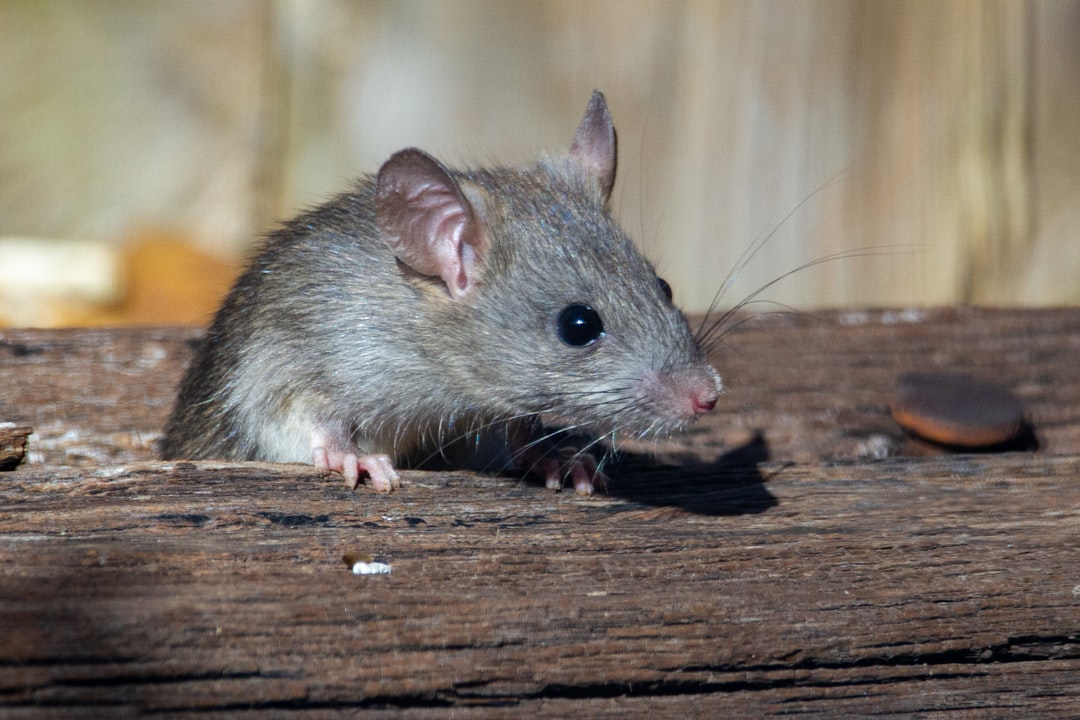
Rodent exclusion starts with sealing every possible entry point, and crawlspace vents are a top priority. A mouse can get through a hole the size of a dime. A rat needs only a quarter-inch gap. When you factor in the fact that many homes have vents that are several inches wide, you can see why simply patching the obvious hole is not enough. You need to install a vent cover that is durable, properly fitted, and attached in a way that animals cannot pry off. That is where products like PestProof or Honeywell vent covers come into play. They are designed to resist chewing and weathering, and they fit snugly into the opening so there is no gap around the edges.
Materials That Actually Work
Not all vent repairs are created equal. I have seen people try to patch a vent with duct tape or a piece of cardboard, and it never holds for long. The right approach involves using materials that animals cannot chew through. Steel wool is a good temporary filler for small gaps, but it rusts and falls apart over time. For a permanent fix, you need something like a metal grate or a heavy-duty plastic vent cover. Brands like Tomcat and EcoClear make rodent-proof covers that can be screwed directly into the framing of the crawlspace. If you are dealing with a larger animal, like a raccoon, you might need to reinforce the area around the vent with additional hardware cloth or a metal flashing.
One thing I always tell homeowners is to check the crawlspace door as well. If the door itself is loose or warped, animals can push their way in even if the vent cover is secure. The vent and the door work together to protect the crawlspace, and both need to be in good condition. In my experience, doing a thorough inspection of the entire crawlspace perimeter is the only way to be sure you have not missed a weak spot. This includes looking at the foundation sill, the corners where the wall meets the floor, and any penetrations for pipes or wires.
Real-World Example: A Rat Problem in Cleveland TN
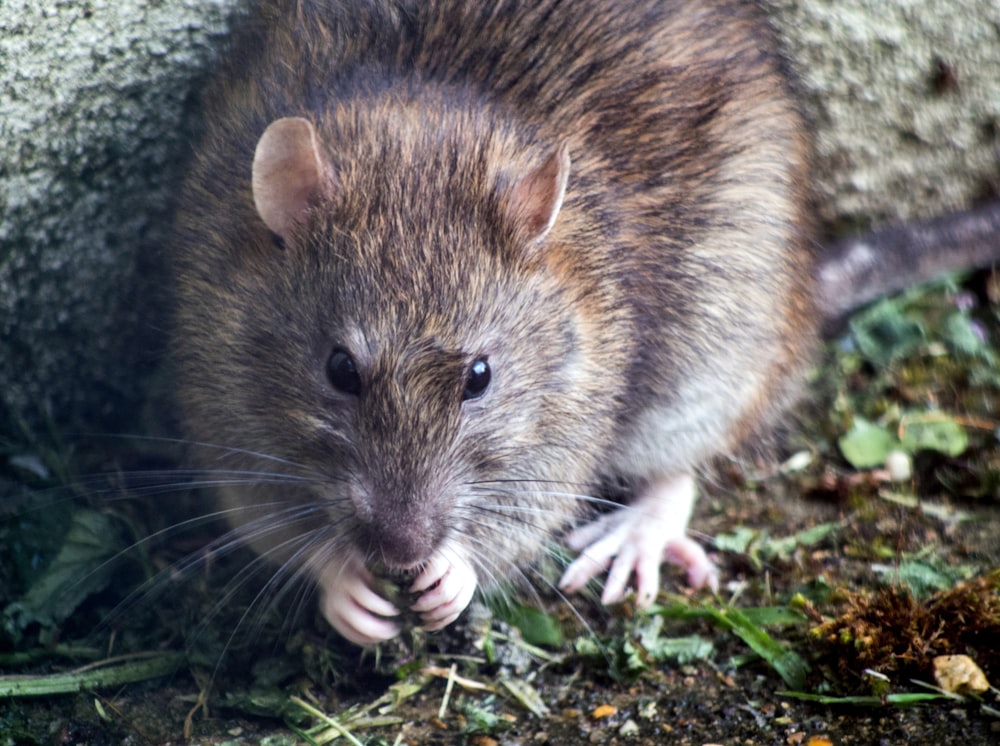
I recall a job in Belington, a neighborhood just outside Cleveland TN, where the homeowner was hearing scratching in the walls every night. They had tried traps and poison, but the noise kept coming back. When I looked at the crawlspace, the first thing I noticed was a vent cover that had been knocked loose. A rat had pushed it aside and was using the vent as a highway into the crawlspace. From there it had chewed through a section of crawlspace insulation and created a nest. The crawlspace vent repair itself was simple: we cleaned out the old insulation, installed a new PestProof vent cover, and sealed the edges with a bead of caulk. But the real lesson was that the rat had been coming in that way for weeks, and the homeowner had no idea because the vent was hidden behind some bushes. Once the vent was fixed, the rat population inside the crawlspace died down, and the scratching stopped within a few days.
That kind of scenario is common. People focus on the attic or the kitchen, but the crawlspace is often the original entry point. If you have a crawlspace vent cover that is loose, cracked, or missing, you are basically running a bed and breakfast for rodents. They come in, find shelter, and start breeding. Then they move up into the living areas through gaps around pipes or along the walls. By the time you hear them, the infestation is already established. That is why crawlspace vent repair is not just a maintenance chore. It is a critical part of pest prevention.
Seasonal Considerations and Prevention
Different seasons bring different pressures. In the fall, mice and rats start looking for warm places to spend the winter. That is when crawlspace vents become a prime target. Squirrels also become more active in the fall, gathering food and seeking shelter. In the spring, raccoons may look for a dry place to give birth. A vent that is secure in July might be compromised by November if the cover has warped or the screws have loosened. Regular inspection is the best defense. I recommend checking your crawlspace vents at least twice a year, once before winter and once after spring. If you see any damage, do not wait. A quick repair now can save you the headache of a full rodent exclusion later.
Products like Killum and Tomcat offer traps and baits that can help reduce an active infestation, but they are not a replacement for sealing the entry points. You can kill every rat in the crawlspace, but if the vent is still open, new ones will move in. That is the fundamental principle of pest control: exclusion comes first. Trapping and poison are secondary tools. If you skip the crawlspace vent repair, you are just playing whack-a-mole with the animals.
Working With a Professional
Some homeowners are comfortable doing their own vent repairs, and that is fine if you have the right materials and a bit of handyman experience. But if you are dealing with a persistent infestation or if the crawlspace is difficult to access, it is worth calling a professional. A pest control company like Hiwassee Pest Control in Cleveland TN can do a full inspection, identify all the entry points, and perform the necessary repairs. They have the tools and know-how to handle tricky situations, like vents that are located close to the ground or behind landscaping. They can also advise on whether you need to replace the crawlspace insulation, which can be ruined by animal urine and droppings.
I have seen too many homeowners spend money on traps and chemicals without ever addressing the root cause. The root cause is almost always an opening somewhere in the building envelope, and crawlspace vents are one of the most common openings. A proper crawlspace vent repair is an investment in your home's long-term health. It keeps the animals out, protects the insulation, and prevents the kind of damage that can cost thousands to fix later.
Final Thoughts
If you have a crawlspace, take a few minutes to look at the vents. Are they intact? Are they securely attached? Do you see any signs of chewing or scratching around the edges? If the answer to any of those questions is no, then you have a problem that needs attention. Crawlspace vent repair might not be the most exciting home improvement project, but it is one of the most effective. It stops problems before they start, and it gives you peace of mind knowing that the space under your house is not a highway for rodents and raccoons.
Remember, a vent cover is only as good as its installation. Use quality materials, check the fit, and seal every edge. Whether you do it yourself or hire a pro, make sure the job is done right. Your crawlspace - and your home - will be better for it.